
INFOTOM

INFOTOM  /  Profile

Farmers. Factory.
Family.

Three words, in that order. It is a supply chain read backwards from the table — and it is the reason we behave differently from a company that buys spices in a market.

Farmers Factory Family

Farmers

01 — Farmers

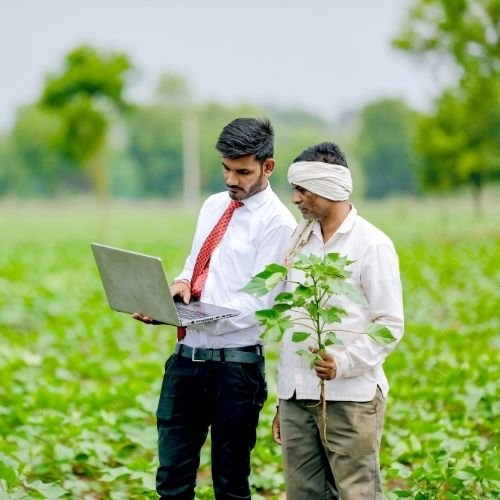
We go to where the spice belongs.

Every spice has a place where it grows better than anywhere else. We identify that place, then we go there — to the growers themselves, not to a general market. Selection begins in the field, with an agreement, a name and a season.

  • Direct agreements with growers
  • Region-specific selection
  • Lot identity kept from the field
Factory

02 — Factory

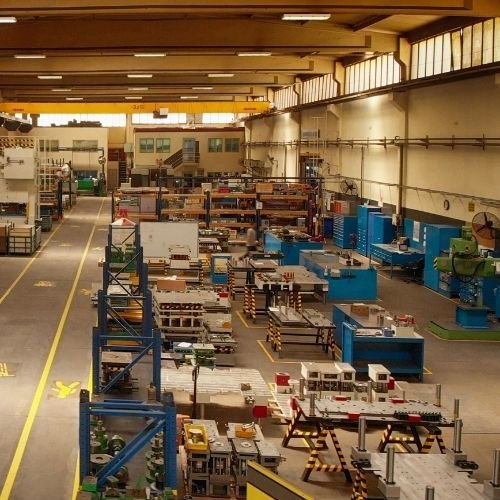
Everything is done under one roof.

Raw spice arrives at our own controlled facility. Cleaning, sorting, grading, grinding, blending, quality checks and packing all happen in-house, because handing a spice to a third party is where its identity is usually lost.

  • Cleaning, sorting and grading
  • Controlled milling and blending
  • Checks before, during and after
Family

03 — Family

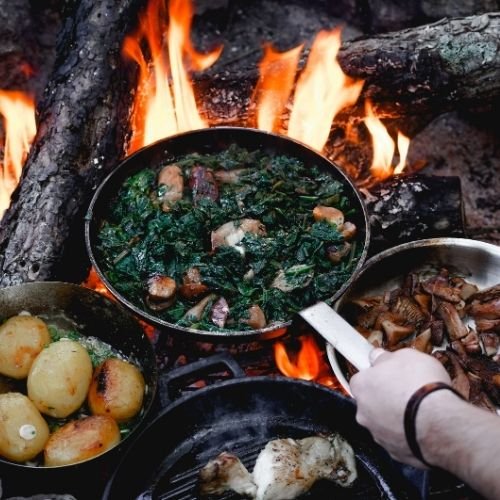
It ends at a table.

A spice is only worth this much care because of what happens at the end of it — a kitchen, a pot, a family eating together. We package for that moment, and we keep the route back to the farm readable.

  • Packed to protect aroma
  • Origin stated on pack
  • Home, retail, HORECA and export

In practice

Not a slogan

What “direct”
actually means.

Plenty of brands say they source directly. Here is the version of it we can describe without reaching for adjectives.

01

A region is chosen before a supplier is

We decide which growing belt a spice should come from, then look for growers there — rather than taking whatever a trader happens to be holding.

02

We contract ahead of the season

Agreements are made with named farmers before the crop is in, so the grower knows the lot has a home and we know what is coming.

03

We come back the next year

The value of a farmer relationship is entirely in its repetition. One season is a transaction; ten is a partnership.

04

The lot keeps its name

Material is not blended into an anonymous pool on arrival. A lot is tracked through cleaning, milling and packing, so origin on the pack means something.

05

Nothing is job-worked out

Cleaning, grinding, blending and packing happen in our own facility. The moment that work is outsourced, the chain has a gap in it.

The journey

Soil to table

Eight stages,
one line.

01

Soil

A region is chosen for one spice, on the strength of its climate and its growers.

02

Agreement

We contract directly with farmers ahead of the season, and return the following year.

03

Harvest

Lots are selected at the farm and moved without passing through open markets.

04

Cleaning

Destoning, de-dusting and gravity separation strip out everything that is not spice.

05

Sorting

Grading by size, colour and density. Anything off-grade leaves the line here.

06

Milling

Controlled grinding so the aromatic oils are not lost to heat.

07

Blending

Where a blend is called for, components are roasted and combined to a fixed recipe.

08

Packing

Sealed against light, air and moisture, and marked with its origin.

The farmer is not our supplier. The farmer is the first half of the product.
Farmers  ·  Factory  ·  Family

Talk to us

Bring INFOTOM
to your shelf.

Retail, distribution, e-commerce, quick commerce, HORECA, private label, ingredient supply, export or import — tell us what you need and who you serve, and we will come back with the right specification and pack.