
INFOTOM

Farmers · Factory · Family

Every spice has an origin.

We do not buy spices from wherever they happen to be available. We go to the region each one belongs to, meet the people who grow it, and begin there.

The name

indian food top of mind

Five words, seven letters, one idea — that Indian food, made with the right spice from the right place, stays at the front of the mind.

01 — Philosophy

FFF

Three words hold the
whole company together.

Farmers grow it. Our factory makes it what it should be. A family eats it. Everything INFOTOM does sits inside that line, and nothing is handed to someone else along the way.

Farmers Factory Family

01

Farmers

We go to where the spice belongs.

Every spice has a place where it grows better than anywhere else. We identify that place, then we go there — to the growers themselves, not to a general market. Selection begins in the field, with an agreement, a name and a season.

  • Direct agreements with growers
  • Region-specific selection
  • Lot identity kept from the field
02

Factory

Everything is done under one roof.

Raw spice arrives at our own controlled facility. Cleaning, sorting, grading, grinding, blending, quality checks and packing all happen in-house, because handing a spice to a third party is where its identity is usually lost.

  • Cleaning, sorting and grading
  • Controlled milling and blending
  • Checks before, during and after

03

Family

It ends at a table.

A spice is only worth this much care because of what happens at the end of it — a kitchen, a pot, a family eating together. We package for that moment, and we keep the route back to the farm readable.

  • Packed to protect aroma
  • Origin stated on pack
  • Home, retail, HORECA and export

Read the philosophy

02 — Origin

8 regions

All growing regions

We go where the
spice belongs.

Guntur for chilli. Idukki for cardamom. Unjha for cumin. The tour moves through all 8 on its own — pick a region to stop on it.

Saffron Cumin Coriander Turmeric Red Chilli Byadgi Chilli Black Pepper Green Cardamom

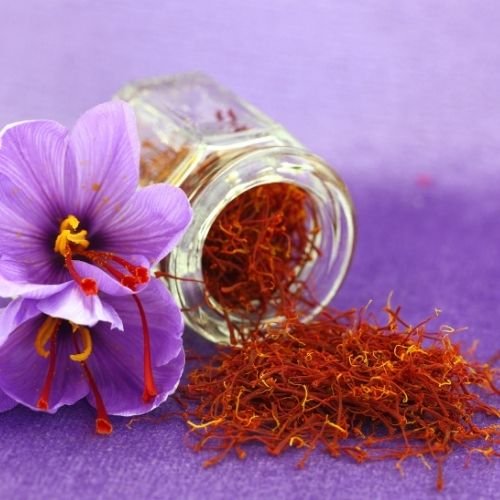
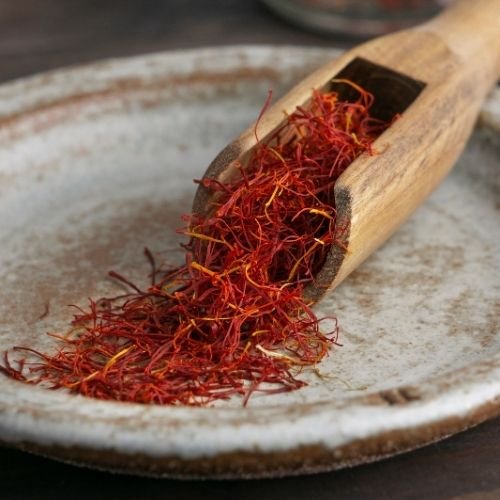
Saffron

Pampore  ·  Jammu & Kashmir

Harvested by hand at first light, when the flowers are still closed and the three crimson threads inside are at their most fragrant.

Harvest
Late October – November
Elevation
1,585 m

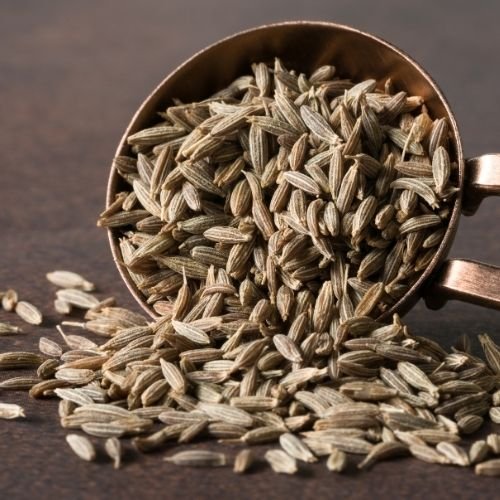
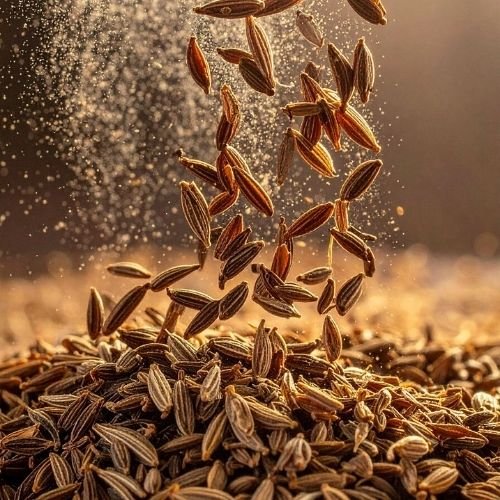
Cumin

Unjha  ·  Gujarat

The dry, cool winters of north Gujarat give cumin its slim seed and the deep, resinous aroma that survives grinding.

Harvest
February – March
Elevation
82 m

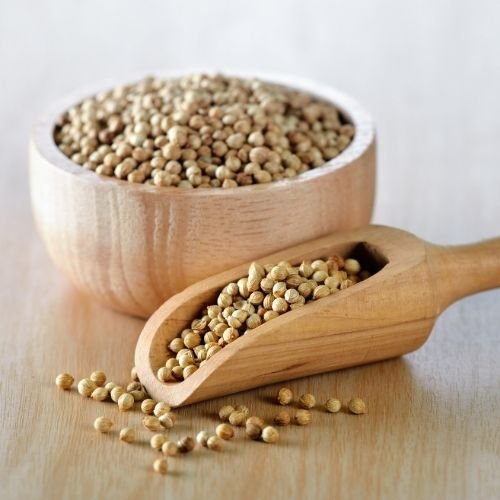
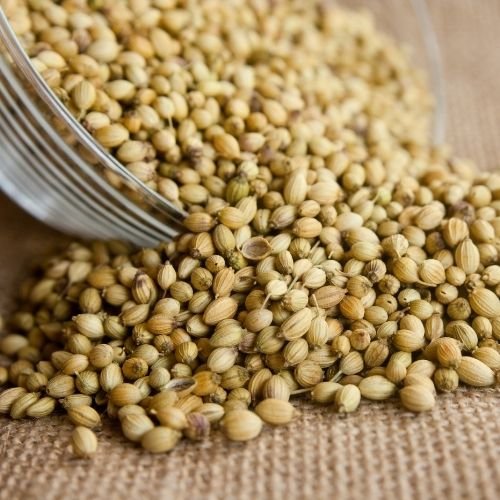
Coriander

Kota — Ramganj Mandi  ·  Rajasthan

Bold, pale green seed from the Hadoti belt — sweet and citrus-led rather than merely bulking, which is what separates it from commodity coriander.

Harvest
March – April
Elevation
271 m

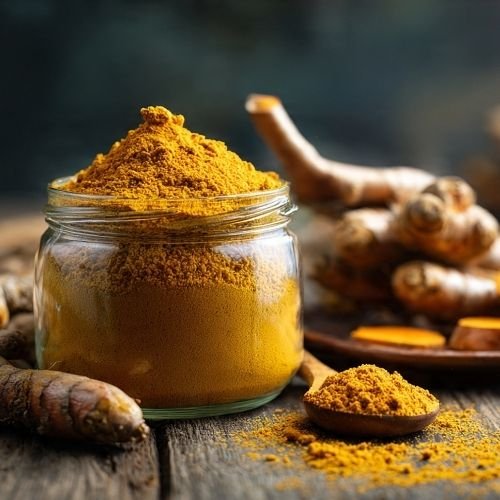
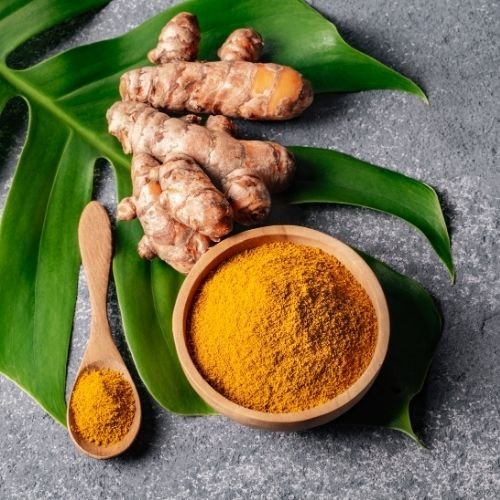
Turmeric

Sangli  ·  Maharashtra

India's historic turmeric market. Hard, dense fingers that polish to a clean gold and grind without caking.

Harvest
January – March
Elevation
550 m

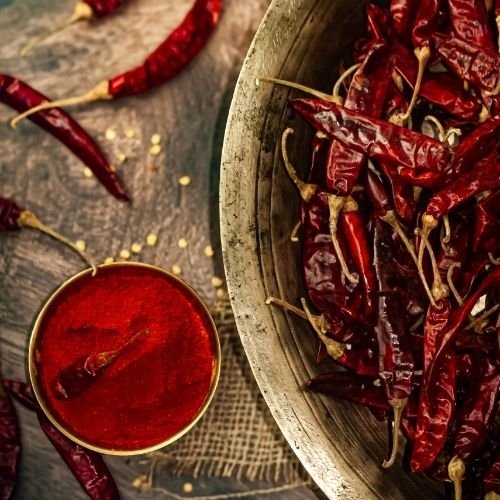
Red Chilli

Guntur  ·  Andhra Pradesh

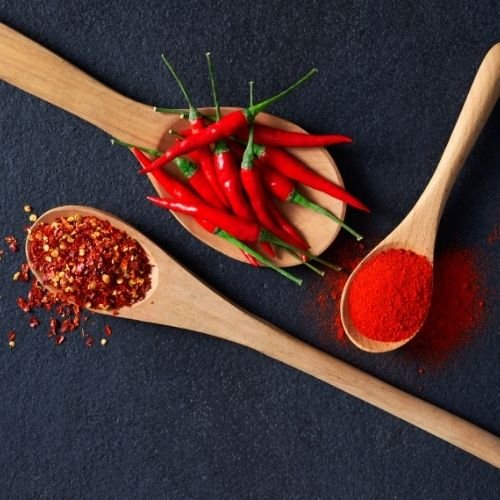
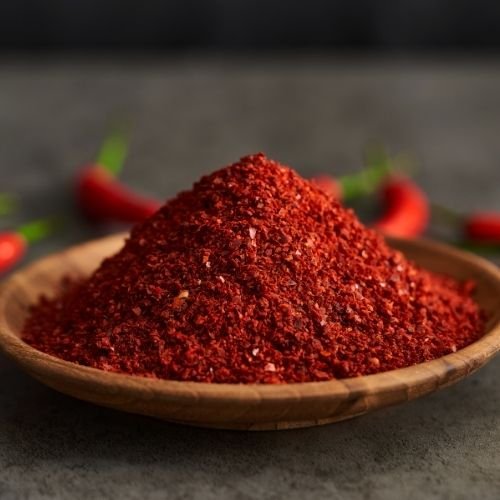
The reference point for Indian heat. Sannam chilli from the black cotton soil of the Krishna delta, sun-dried on the field floor.

Harvest
February – May
Elevation
33 m

Byadgi Chilli

Byadgi  ·  Karnataka

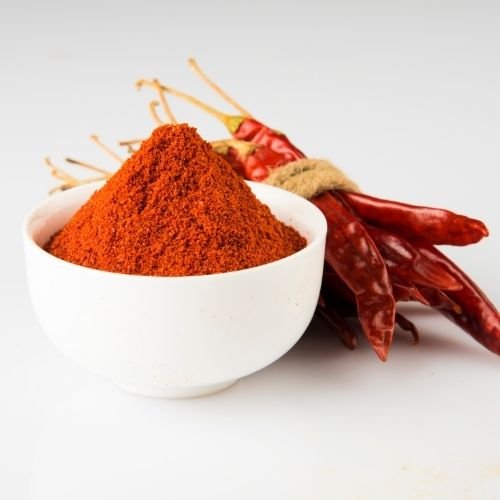
Wrinkled, deep crimson and gentle. Chosen when a dish needs colour and depth rather than heat.

Harvest
January – April
Elevation
640 m

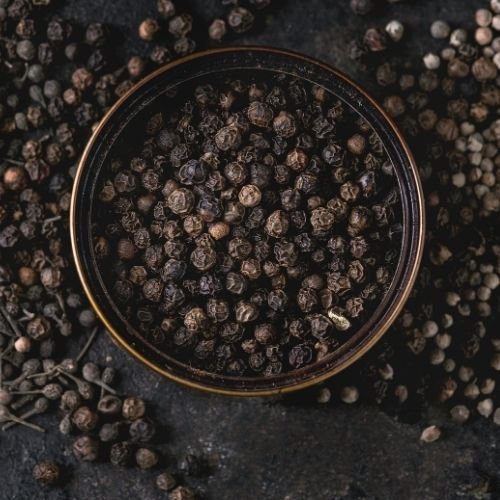
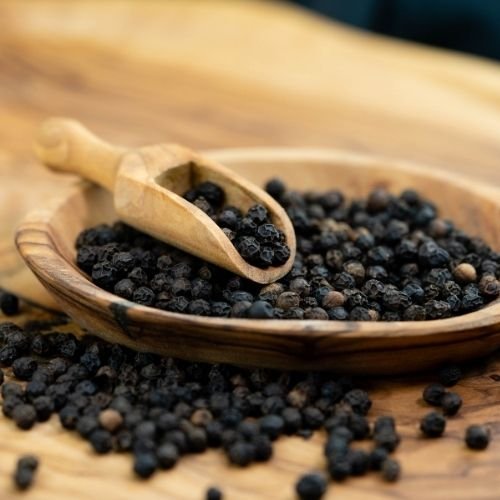
Black Pepper

Tellicherry — Malabar  ·  Kerala

Berries left on the vine longer to swell, then graded by size. The largest are the ones that carry the perfume.

Harvest
December – February
Elevation
900 m

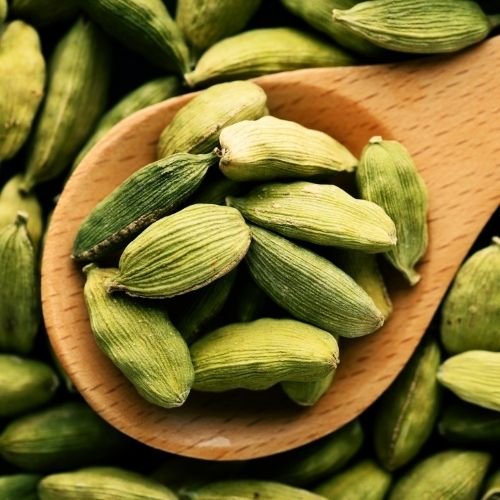
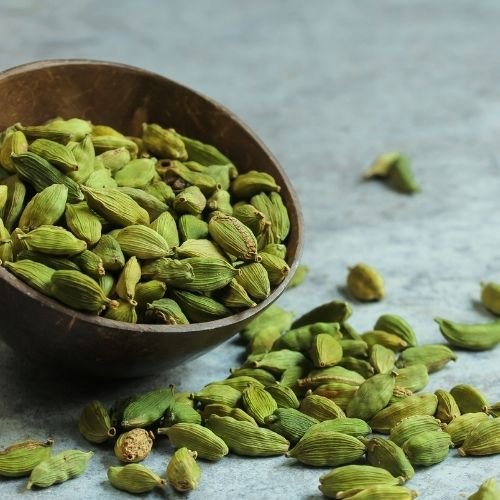
Green Cardamom

Idukki  ·  Kerala

The Cardamom Hills, under shade trees in monsoon mist. Picked over many rounds, because pods do not ripen together.

Harvest
August – February
Elevation
1,200 m
Inside the INFOTOM factory

03 — The factory

Nothing leaves
our hands.

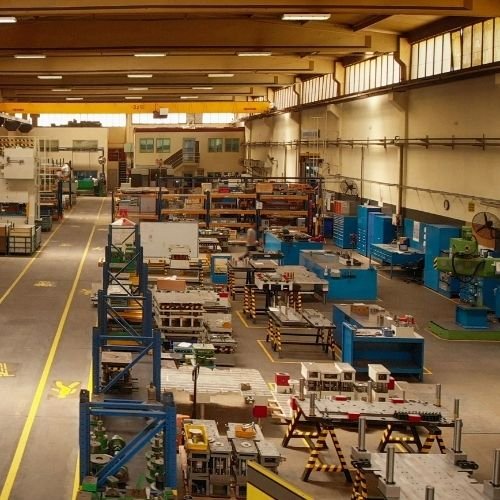
Raw spice arrives from the farm and stays with us. Cleaning, destoning, grading, milling, blending, checking and packing all happen inside one controlled facility, run by our own people.

This is the part most spice companies give away, and it is the part where a spice either keeps its character or quietly loses it. Grinding generates heat, and heat takes the aroma with it — so the mill is set to protect the oil, not the clock.

Inside the process

05 — The journey

Eight stages

From a field
to a kitchen.

01

Soil

A region is chosen for one spice, on the strength of its climate and its growers.

02

Agreement

We contract directly with farmers ahead of the season, and return the following year.

03

Harvest

Lots are selected at the farm and moved without passing through open markets.

04

Cleaning

Destoning, de-dusting and gravity separation strip out everything that is not spice.

05

Sorting

Grading by size, colour and density. Anything off-grade leaves the line here.

06

Milling

Controlled grinding so the aromatic oils are not lost to heat.

07

Blending

Where a blend is called for, components are roasted and combined to a fixed recipe.

08

Packing

Sealed against light, air and moisture, and marked with its origin.

From the soil of India, through our factory, to your family — and onward to the world.
The INFOTOM promise

06 — Who we serve

India & export

One standard,
every counter.

A household pack and a restaurant sack come off the same line, from the same lot, to the same specification.

01

Retail

Consumer packs for modern trade and neighbourhood stores.

02

Distribution

Regional distributor and super-stockist appointments.

03

E-commerce

Marketplace and D2C formats, built for the shelf and the screen.

04

Quick Commerce

Compact SKUs sized for ten-minute baskets.

05

HORECA

Bulk and chef packs for hotels, restaurants and catering kitchens.

06

Private Label

Contract processing, blending and packing under your brand.

07

Export

Container and LCL shipments with export documentation.

08

Ingredient Supply

Cleaned, graded raw material for food manufacturers.

Trade & export

Talk to us

Bring INFOTOM
to your shelf.

Retail, distribution, e-commerce, quick commerce, HORECA, private label, ingredient supply, export or import — tell us what you need and who you serve, and we will come back with the right specification and pack.